There’s a reason experienced drivers pay close attention to how their brakes feel. That subtle squeak, the slightly longer stopping distance, or the way your pedal feels a bit softer than usual, these aren’t just minor annoyances. They’re your vehicle’s way of telling you something important.
At Bowers Automotive, we’ve been helping Colorado Springs drivers stay safe on the road since 1990. Our ASE certified technicians have seen every brake problem imaginable, from worn pads on daily commuters to complete system overhauls on heavy-duty trucks. And here’s what we’ve learned: catching brake issues early doesn’t just save money, it can save lives.
Whether you’re navigating the steep grades of the Pikes Peak region or dealing with stop-and-go traffic on I-25, your brakes work harder here than in most places. That’s why understanding when they need attention, what can go wrong, and how to choose the right brake repair shop matters so much for Colorado Springs drivers.
Signs Your Brakes Need Immediate Attention
Your brakes communicate with you constantly, you just need to know what to listen for. Some warning signs are obvious, while others are subtle enough that many drivers miss them until a small problem becomes an expensive repair.
Unusual sounds are often the first indicator. A high-pitched squealing typically means your brake pads have worn down to the point where the built-in wear indicators are making contact with the rotors. It’s designed to annoy you into action, and you should take the hint. Grinding noises? That’s more serious, it usually means metal-on-metal contact, which can damage your rotors and significantly increase repair costs.
Changes in pedal feel deserve immediate attention. If your brake pedal feels spongy or sinks closer to the floor than normal, you could be dealing with air in the brake lines or a fluid leak. A pulsating pedal when you brake often points to warped rotors. And if your pedal feels unusually hard or your car takes longer to stop, don’t wait to have it checked.
Visual cues matter too. Many wheels allow you to see the brake pads through the spokes. If the pad material looks thinner than a quarter-inch, it’s time for replacement. Fluid spots under your car near the wheels or a brake warning light on your dashboard are both signals to get your vehicle inspected right away.
Perhaps the most telling sign is simply how your car behaves. Does it pull to one side when braking? Does the steering wheel vibrate? These symptoms often indicate uneven wear or problems with your calipers. We tell our customers: trust your instincts. If something feels off about your brakes, it probably is.
Common Brake Problems and Their Causes
Understanding what goes wrong with brakes, and why, helps you make informed decisions about repairs. Most brake issues fall into a few common categories, each with distinct causes and solutions.
Worn Brake Pads and Rotors
Brake pads and rotors are designed to wear out. That’s actually how they work, the friction material on your pads gradually sacrifices itself to slow your vehicle. But how quickly they wear depends on several factors.
Driving habits play a huge role. Heavy braking, frequent stops (think city driving or hilly terrain), and carrying heavy loads all accelerate pad wear. The quality of your brake components matters too. Cheap pads might save money upfront but often wear faster and don’t perform as well.
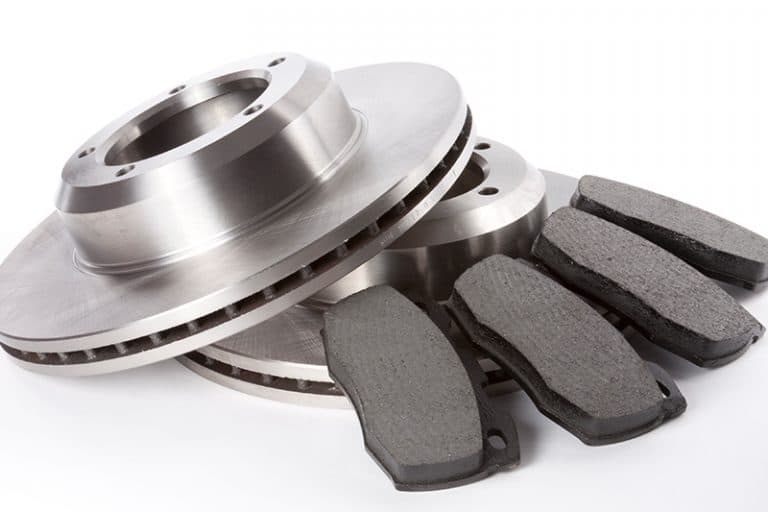
Rotors face their own challenges. Over time, heat cycles cause them to warp slightly, leading to that pulsating pedal feel we mentioned earlier. Deep grooves can develop if worn pads are left too long, and corrosion is common in our Colorado climate. At Bowers Automotive, we offer both brake pad replacement and rotor machining services. Sometimes rotors can be resurfaced to like-new condition: other times, replacement is the smarter choice.
Brake Fluid Leaks and Contamination
Brake fluid is the lifeblood of your braking system. It transfers the force from your foot on the pedal to the calipers that squeeze your brake pads. When this fluid is compromised, your stopping power suffers.
Leaks can develop in several places: the master brake cylinder, brake hoses, calipers, or wheel cylinders. Even small leaks are dangerous because they introduce air into the system, which compresses (unlike fluid) and makes your pedal feel spongy.
Contamination is equally problematic. Brake fluid is hygroscopic, meaning it absorbs moisture from the air over time. This moisture lowers the fluid’s boiling point, which can cause vapor lock during hard braking, and that means reduced or even complete loss of braking ability. It’s one reason we recommend regular brake fluid testing and flushing as part of your maintenance routine.
What to Expect During a Professional Brake Inspection
If you’ve never had a brake inspection before, knowing what happens can ease any anxiety. At our shop, we’ve streamlined the process to be thorough yet efficient.
First, one of our friendly technicians will talk through the problem and ask you a few questions. This gives us a better idea of what’s going on, when you first noticed the issue, how the car behaves, and your typical driving conditions. This conversation matters because symptoms often point us toward specific problems.
Next comes the hands-on inspection. We’ll remove the wheels to get a clear view of your brake components. Our technicians measure pad thickness, check rotor condition (including checking for warping with precision tools), and inspect calipers for proper operation. We examine brake hoses for cracks or deterioration and check all connections for leaks.
We also assess the brake fluid, both its level and condition. Contaminated fluid often looks darker than the honey-gold color of fresh fluid. We’ll test its moisture content to determine if a flush is needed.
At Bowers Automotive, we use the latest diagnostic technology to assess the situation and offer you alternatives. We believe in transparency. After the inspection, we’ll explain exactly what we found, what needs immediate attention, what can wait, and provide honest pricing for each option. We won’t push unnecessary repairs, our reputation since 1990 depends on earning your trust, not upselling services you don’t need.
The whole inspection typically takes about 30 minutes, and you’ll leave with a clear understanding of your brake system‘s health.
Types of Brake Repair Services
Brake repair isn’t one-size-fits-all. Depending on what our inspection reveals, you might need one or several services to get your braking system back to optimal performance.
Brake pads and shoe replacement is the most common service. Pads (on disc brakes) and shoes (on drum brakes) are wear items that need regular replacement. We install quality components and ensure proper break-in for optimal performance.
Rotor and drum machining can restore these surfaces when they’ve developed grooves or minor warping. Machining removes a thin layer of metal to create a smooth, flat surface again. But, rotors and drums have minimum thickness specifications, if they’re too worn, replacement is safer.
Master brake cylinder repair or replacement addresses the heart of your brake system. When this component fails, you’ll typically notice a sinking pedal or complete loss of braking pressure.
Brake hose repair addresses the flexible lines that connect your brake system to the wheels. These hoses can crack, bulge, or leak over time, especially given Colorado’s temperature extremes.
Brake fluid testing and flushing removes old, contaminated fluid and replaces it with fresh fluid. We recommend this service roughly every two years, though your driving conditions may warrant more frequent flushes.
Brake system bleeding removes air bubbles from your brake lines. Air in the system compresses under pressure, reducing braking effectiveness. Bleeding restores firm pedal feel and consistent stopping power.
We also handle anti-lock brake system (ABS) repairs on all types of import and domestic cars, trucks, and SUVs. Modern ABS systems are complex, but our ASE certified technicians have the training to diagnose and repair these electronically-controlled components correctly.
How Colorado Springs Weather Affects Your Brakes
Living in Colorado Springs means your brakes face challenges that drivers in milder climates simply don’t encounter. Understanding these local factors helps explain why brake maintenance matters so much here.
Our dramatic temperature swings, sometimes 40 degrees in a single day, stress brake components significantly. Metal expands and contracts with temperature changes, and repeated cycling can accelerate wear on rotors and cause brake pads to crack or glaze over. Winter mornings when your brakes are ice-cold, followed by rapid heating during your commute, create thermal shock that takes a toll over time.
Then there’s the terrain. Colorado Springs sits at over 6,000 feet elevation, surrounded by mountains and steep grades. Driving down from Woodland Park or descending from the Garden of the Gods region means extended brake use that generates tremendous heat. This heat buildup, called brake fade, temporarily reduces braking effectiveness and accelerates component wear. Heavy use on mountain roads can warp rotors faster than typical flat-terrain driving.
Winter brings its own challenges. Road salt and de-icing chemicals are corrosive to brake components, particularly rotors and brake lines. Moisture gets trapped in tight spaces and promotes rust. And let’s not forget that driving on snow and ice often requires more frequent, harder braking, especially if you’re navigating unfamiliar winter conditions.
The altitude itself affects brake fluid. At elevation, fluids have lower boiling points. Combined with the heat generated during mountain driving, this makes brake fluid contamination an even bigger concern for Colorado Springs drivers.
We recommend slightly more frequent brake inspections for our local customers, catching problems early prevents the more serious damage our climate can cause.
Choosing a Reliable Brake Repair Shop
Not all brake repair shops deliver the same quality of service. Your safety depends on choosing a shop that combines technical expertise with honest business practices. Here’s what to look for.
Certified technicians make a real difference. ASE (Automotive Service Excellence) certification indicates that mechanics have passed rigorous testing and demonstrated competence. At Bowers Automotive, all our technicians are ASE certified, it’s a standard we’ve maintained since we opened in 1990.
Experience with your vehicle type matters more than you might think. Brake systems vary significantly between makes and models. You want a shop that regularly works on your type of vehicle, whether it’s an import sedan, domestic truck, or SUV. We service all makes and models of import and domestic vehicles.
Transparency in diagnosis and pricing separates reputable shops from questionable ones. A trustworthy shop will explain what they found, show you the worn components if you’re interested, and provide clear pricing before beginning work. They’ll also tell you what can safely wait versus what needs immediate attention.
Warranty on work demonstrates confidence in the repair quality. We guarantee all of our work at Bowers Automotive because we know you’ll be happy with the outcome.
Reputation in the community speaks volumes. Check online reviews, but also ask friends and neighbors for recommendations. A shop that’s served Colorado Springs since 1990 and maintains loyal customers has clearly earned that trust through consistent quality.
Finally, consider the overall customer experience. Our team is known for delivering reliable workmanship, friendly service, and competitive pricing. We believe getting your brakes repaired shouldn’t be stressful, you should feel informed and confident throughout the process.
Conclusion
Your brakes are arguably the most critical safety system on your vehicle. In Colorado Springs, where mountain driving, temperature extremes, and challenging road conditions are part of daily life, keeping your braking system in top condition isn’t optional, it’s essential.
Don’t ignore the warning signs. That squeak, that slightly different pedal feel, that moment of hesitation when you need to stop, these are messages worth heeding. Catching brake problems early typically means simpler repairs, lower costs, and most importantly, safer driving.
At Bowers Automotive on Ford Street in Colorado Springs, we’ve been helping local drivers maintain their brakes for over three decades. Our ASE certified technicians have the training and knowledge to diagnose and repair brake systems on any import or domestic car, truck, or SUV. We service your vehicle with care, providing a high level of workmanship you can trust.
If you’re experiencing any brake concerns, or if it’s simply been a while since your last inspection, we’d be happy to take a look. Come experience for yourself why so many Colorado Springs drivers trust us with their brake repair needs.
