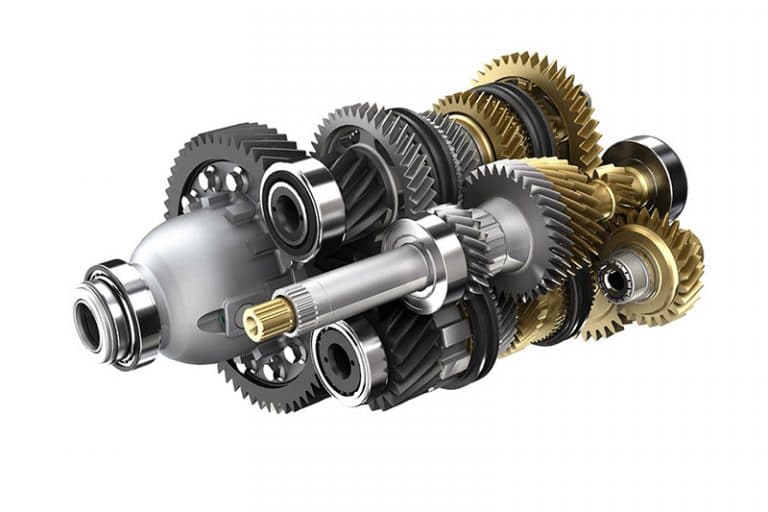
Your transmission is one of the hardest-working components in your vehicle, and when it starts acting up, you’ll notice. Whether it’s a strange grinding noise, delayed shifting, or that unsettling warning light on your dashboard, transmission problems have a way of demanding your attention.
At Bowers Automotive in Colorado Springs, we’ve been diagnosing and repairing transmissions for years. Our ASE-certified technicians see it all: automatic transmissions that slip at the worst possible moment, manual gearboxes with worn synchronizers, and clutches that have simply given out. We understand that transmission repair can feel overwhelming, both mechanically and financially. That’s why we believe in educating our customers about what’s happening under the hood, so you can make informed decisions about your vehicle.
In this guide, we’ll walk you through the warning signs that indicate your transmission needs professional attention, the types of repair services available, and what to expect when you bring your car, truck, or SUV into our shop. We’ll also share some practical tips to help you extend the life of your transmission and avoid costly repairs down the road.
Common Signs Your Transmission Needs Repair
Catching transmission problems early can mean the difference between a minor repair and a major overhaul. Your vehicle actually gives you plenty of warning signs before things get serious, you just need to know what to look for.
Warning Lights and Dashboard Indicators
Modern vehicles are equipped with sophisticated diagnostic systems that monitor transmission performance in real time. When something’s off, your dashboard will usually let you know.
The most obvious indicator is the check engine light. While this light can signal dozens of different issues, transmission problems are among the most common triggers. If your check engine light comes on alongside symptoms like rough shifting or hesitation, there’s a good chance your transmission is involved.
Some vehicles also have a dedicated transmission temperature light or a “transmission” warning indicator. If you see this, pull over when it’s safe to do so. Continuing to drive with an overheating transmission can cause severe internal damage.
At Bowers Automotive, we use advanced diagnostic equipment to read the trouble codes stored in your vehicle’s computer. This gives us a starting point for identifying exactly what’s going wrong, rather than guessing or replacing parts unnecessarily.
Unusual Sounds and Shifting Problems
Your ears can be just as useful as your dashboard when it comes to detecting transmission trouble. Here are some sounds and behaviors that should prompt a visit to our shop:
- Grinding or whining noises: In manual transmissions, grinding during shifts often points to worn synchronizers or clutch issues. Automatic transmissions might produce a whining or humming sound when internal components are failing.
- Clunking or banging: A hard “thunk” when shifting gears, especially between park, reverse, and drive, can indicate worn mounts or internal transmission damage.
- Delayed engagement: If there’s a noticeable pause between shifting into gear and your vehicle actually moving, your transmission is struggling to engage properly.
- Slipping gears: This feels like your engine revving without corresponding acceleration. It’s often described as a momentary loss of power, and it’s a clear sign that something’s wrong internally.
- Rough or jerky shifting: Smooth gear transitions are a sign of a healthy transmission. If shifts feel harsh, abrupt, or unpredictable, it’s time for an inspection.
We also see plenty of acceleration problems tied to transmission issues. If your vehicle hesitates, lurches, or seems to lack power during acceleration, don’t ignore it. These symptoms tend to worsen over time, and early intervention can save you significant money.
Types of Transmission Repair Services
Transmission repair isn’t one-size-fits-all. The specific services you need depend on your transmission type, the symptoms you’re experiencing, and the underlying cause of the problem.
At Bowers Automotive, we offer comprehensive transmission diagnosis and repair for all types of vehicles. Our services range from minor adjustments and fluid changes to complete transmission rebuilds and replacements.
Manual vs. Automatic Transmission Repairs
Automatic Transmission Repair
Automatic transmissions are complex systems with hundreds of moving parts, electronic solenoids, and hydraulic components working together. Common automatic transmission repairs include:
- Fluid flush and filter replacement: Transmission fluid breaks down over time and loses its ability to lubricate and cool internal components. Regular fluid service can prevent many problems.
- Solenoid replacement: These electronic valves control fluid flow through your transmission. When they fail, you’ll experience shifting problems.
- Torque converter repair: The torque converter transfers power from your engine to your transmission. Issues here can cause shuddering, slipping, or overheating.
- Valve body repair or replacement: The valve body directs hydraulic fluid to the appropriate clutch packs. Problems here cause erratic shifting.
- Complete rebuild or replacement: When internal damage is extensive, a rebuild or replacement may be the most cost-effective option.
Manual Transmission and Clutch Repair
Manual transmissions are mechanically simpler than automatics, but they still require skilled diagnosis and repair. Our technicians handle:
- Clutch diagnosis and repair: Clutches wear out over time, it’s unavoidable. Signs of a failing clutch include slipping, difficulty shifting, and a high engagement point.
- Clutch replacement: This involves removing the transmission to access the clutch disc, pressure plate, and throw-out bearing. We typically recommend replacing all clutch components at once.
- Synchronizer repair: Worn synchros cause grinding during shifts. Depending on the extent of wear, we may rebuild or replace the affected components.
- Gear set repair: Though less common, damaged gears can cause noise and shifting difficulties.
Whether you’re driving an automatic or manual, we start every repair with a thorough diagnosis. We don’t believe in replacing parts based on guesswork, that approach wastes your time and money.
What to Expect During a Transmission Inspection
If you’ve never had your transmission inspected before, you might be wondering what the process actually involves. Here’s what happens when you bring your vehicle to Bowers Automotive for transmission diagnosis.
Initial Consultation
We start by talking with you about the symptoms you’ve noticed. When did the problem start? Does it happen all the time or only under certain conditions? Is it worse when the engine is cold or after it’s warmed up? These details help our technicians narrow down potential causes before they even pop the hood.
Visual Inspection
Next, we’ll perform a visual inspection of your transmission and related components. We check for obvious issues like fluid leaks, damaged mounts, or worn linkage. We’ll also inspect your transmission fluid, its color, smell, and level can tell us a lot about what’s happening inside.
Diagnostic Scan
Using professional-grade diagnostic equipment, we read any trouble codes stored in your vehicle’s computer. Modern transmissions are electronically controlled, and these codes point us toward specific systems or components that need attention.
Road Test
In many cases, we’ll take your vehicle for a road test to experience the symptoms firsthand. This helps us understand exactly when and how the problem occurs. We might check shift points, acceleration response, and how the transmission behaves under different driving conditions.
Detailed Diagnosis
Depending on what we find, further diagnosis might be needed. This could include pressure testing, checking electrical connections, or inspecting internal components. We’ll explain what we’re finding every step of the way, no surprises.
Repair Recommendations
Once we’ve identified the problem, we’ll provide you with a clear explanation of what’s wrong and your repair options. We’ll give you an honest assessment of the costs involved and help you understand the pros and cons of each approach. Our goal is to get you back on the road safely without unnecessary expense.
Choosing a Reliable Transmission Repair Shop in Colorado Springs
Transmission repair is a significant investment, and choosing the right shop matters. Here’s what we recommend looking for when selecting a transmission repair shop in Colorado Springs, and why we believe Bowers Automotive stands out.
ASE-Certified Technicians
ASE (Automotive Service Excellence) certification indicates that a technician has passed rigorous testing and met experience requirements in specific repair areas. At Bowers Automotive, our technicians hold ASE certifications, which means they have the training and expertise to diagnose and repair transmissions correctly the first time.
Proper Diagnostic Equipment
Transmission diagnosis requires more than a basic code reader. Look for a shop that invests in professional-grade diagnostic tools and stays current with the latest technology. We use advanced equipment to pinpoint problems accurately, which saves time and prevents unnecessary repairs.
Transparent Communication
A trustworthy shop will explain what they find in terms you can understand. They won’t pressure you into repairs you don’t need or use scare tactics to upsell services. We believe in honest, straightforward communication, we’ll tell you what’s wrong, what your options are, and let you make the decision.
Comprehensive Services
Transmission problems are sometimes connected to other vehicle systems. A shop that offers comprehensive automotive services, like electrical diagnosis, check engine light diagnostics, and brake repair, can address related issues without sending you elsewhere. At Bowers Automotive, we handle everything from transmission and clutch repair to AC and heater service, brake repair, and engine work.
Warranty on Repairs
Reputable shops stand behind their work with a warranty. This protects you in case something goes wrong after the repair and demonstrates the shop’s confidence in their workmanship.
Local Reputation
Check online reviews and ask for recommendations from friends and family. A shop with a solid reputation in Colorado Springs has earned that trust through years of quality service.
Tips for Extending the Life of Your Transmission
While transmissions will eventually wear out, proper maintenance can significantly extend their lifespan. Here are some practical tips to keep your transmission running smoothly for years to come.
Check Your Transmission Fluid Regularly
Transmission fluid lubricates, cools, and cleans internal components. Low fluid levels or degraded fluid can cause serious damage. Check your fluid level according to your owner’s manual, and look for signs of contamination, healthy transmission fluid is typically red or pink and has a slightly sweet smell. Dark, burnt-smelling fluid indicates it’s time for a change.
Follow Your Manufacturer’s Service Schedule
Your vehicle’s owner’s manual includes recommended service intervals for transmission fluid changes and inspections. Don’t skip these. The cost of regular maintenance is far less than the cost of a transmission rebuild.
Let Your Engine Warm Up
Especially in Colorado’s cold winters, give your vehicle a minute or two to warm up before driving aggressively. Cold transmission fluid doesn’t flow as well and doesn’t protect components as effectively.
Come to a Complete Stop Before Shifting
Shifting between reverse and drive while your vehicle is still rolling puts unnecessary stress on your transmission. Wait until you’ve come to a complete stop before changing gears.
Avoid Excessive Towing Without Proper Equipment
If you regularly tow trailers or heavy loads, make sure your vehicle is equipped for it. Towing beyond your vehicle’s rated capacity generates excessive heat and accelerates transmission wear. Consider adding an auxiliary transmission cooler if you tow frequently.
Address Problems Early
If you notice any of the warning signs we discussed earlier, unusual sounds, shifting problems, warning lights, don’t wait. Small issues can quickly become major repairs if ignored. A quick inspection at our shop can catch problems before they escalate.
Use the Right Fluid
Not all transmission fluids are created equal. Using the wrong type can cause shifting problems and damage internal components. Always use the fluid specified by your vehicle’s manufacturer, or ask us, we’ll make sure you get the right product.
Conclusion
Your transmission plays a critical role in your vehicle’s performance and safety. When problems arise, you need a repair shop that combines expertise, honesty, and genuine care for your vehicle.
At Bowers Automotive in Colorado Springs, our ASE-certified technicians have the experience and knowledge to properly diagnose and repair both automatic and manual transmissions, along with clutch replacement services. We use advanced diagnostic equipment, provide transparent communication, and stand behind our work.
If you’re experiencing transmission shift problems, acceleration issues, unusual noises, or dashboard warning lights, don’t wait for the problem to get worse. Bring your car, truck, or SUV to our shop for a thorough inspection. We’ll give you an honest assessment and help you understand your options, no pressure, no unnecessary repairs.
Your transmission keeps you moving. Let us help keep it in top condition.