
Living in Colorado Springs means dealing with everything from icy winter roads to sun-baked summer highways, and your tires take the brunt of it all. Whether you’re commuting through downtown, heading up to the mountains, or navigating our unpredictable weather, having the right tires and proper wheel alignment isn’t just about comfort. It’s about safety.
At Bowers Automotive, we’ve been helping local drivers with their tire and alignment needs since 1990. Our ASE certified technicians understand the unique demands Colorado terrain places on vehicles. In this guide, we’ll walk you through everything you need to know about tire care and alignment services, from warning signs to watch for to tips that’ll extend the life of your tires.
Why Proper Tire Care Matters for Colorado Springs Drivers
Colorado Springs presents some unique challenges for your vehicle’s tires. We’ve got elevation changes, temperature swings that can span 40 degrees in a single day, and road conditions that vary dramatically by season. All of this takes a toll.
When your tires aren’t properly maintained or your alignment is off, you’re not just risking uneven wear, you’re compromising your vehicle’s handling, fuel efficiency, and braking capability. On a steep grade heading into the mountains or during a sudden spring snowstorm, that matters.
Proper tire care also saves you money. Misaligned wheels cause tires to wear unevenly and prematurely, meaning you’ll replace them far sooner than necessary. Poor tire pressure affects fuel economy, too. The National Highway Traffic Safety Administration estimates that properly inflated tires can improve gas mileage by up to 3%.
For Colorado Springs drivers specifically, the combination of altitude and temperature fluctuations means tire pressure changes more frequently here than in many other parts of the country. That’s why regular checks, and TPMS (tire pressure monitoring system) repairs when needed, are essential parts of vehicle maintenance.
Signs Your Vehicle Needs a Wheel Alignment
Your car will usually tell you when something’s wrong, you just have to know what to look for. Here are the most common signs that it’s time for a wheel alignment:
Pulling to one side: If your vehicle drifts left or right when you’re driving on a straight, level road, that’s a classic alignment issue. Don’t confuse this with road crown (the slight slope built into roads for drainage), which causes a gentle pull. A true alignment problem feels more insistent.
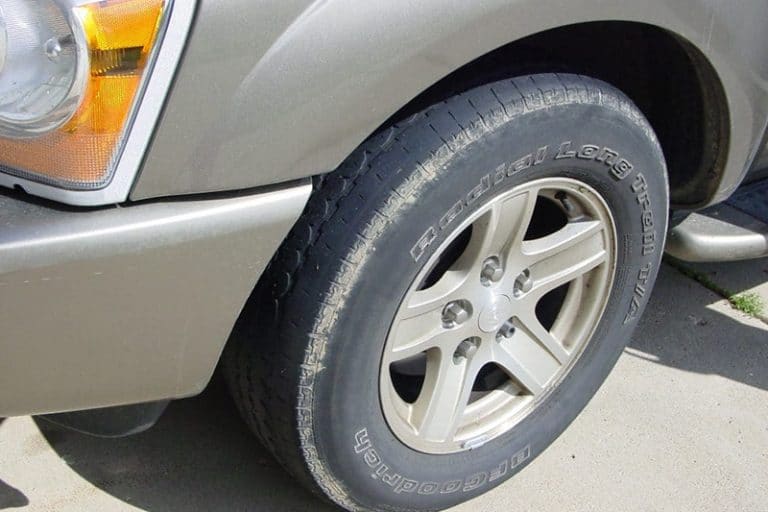
Uneven tire wear: Check your tires regularly. If one edge is wearing faster than the other, or if one tire looks significantly more worn than the others, your alignment is likely off.
Crooked steering wheel: When driving straight, your steering wheel should be centered. If it’s tilted to one side even though you’re going straight, that’s a red flag.
Vibration in the steering wheel: While this can indicate other issues (like unbalanced tires), persistent vibration often points to alignment problems.
Squealing tires: Hearing your tires squeal when turning, especially at low speeds, can indicate alignment issues affecting how your tires contact the road.
If you notice any of these symptoms, we recommend scheduling a computerized wheel alignment service. Catching alignment problems early prevents more expensive tire damage down the road.
How to Choose the Right Tires for Colorado’s Varied Terrain
Choosing tires in Colorado isn’t as straightforward as it might be in, say, Florida. Our terrain and weather demand thoughtful consideration.
First, consider your driving habits. Do you commute mostly on paved city streets, or do you regularly head into the mountains for hiking or skiing? Do you drive a sedan, a truck, or an SUV? At Bowers Automotive, we carry a full line of tires for cars, trucks, and SUVs, so we can match you with the right option regardless of your vehicle type.
Tread pattern matters here. Tires with deeper, more aggressive treads handle snow and loose surfaces better, while those with tighter patterns offer quieter highway driving and better fuel efficiency. For many Colorado Springs residents, a tire that balances both concerns is ideal.
Don’t overlook load ratings and speed ratings, either. If you’re hauling equipment or towing a trailer, you need tires rated for that weight. Our technicians can help you understand what specifications your vehicle requires.
All-Season vs. Winter Tires
This is the big question for Colorado drivers. All-season tires are designed to handle a range of conditions, dry pavement, light rain, and even some snow. They’re convenient because you don’t need to swap them out seasonally.
But, all-season tires make compromises. They’re adequate in moderate conditions but don’t excel in any single environment. When temperatures drop below 45°F, the rubber compound in all-season tires begins to harden, reducing traction.
Winter tires (sometimes called snow tires) use a softer rubber compound that stays flexible in cold temperatures. They also feature specialized tread patterns designed to grip snow and ice. If you regularly drive in snowy conditions, or if your commute takes you through mountain passes, dedicated winter tires are worth the investment.
Many of our customers opt for a two-set approach: all-season tires for spring through fall, then switch to winter tires once temperatures consistently drop. We offer 4-wheel mount and balance services to make seasonal swaps painless.
What to Expect During a Professional Alignment Service
If you’ve never had a professional alignment done, you might wonder what’s actually involved. Here’s what happens when you bring your vehicle to us for computerized wheel alignment.
First, we’ll inspect your tires and suspension components. Worn parts like tie rods, ball joints, or bushings can affect alignment, and there’s no point in aligning wheels if underlying components are failing. We check for damage and wear before proceeding.
Next, your vehicle goes on an alignment rack equipped with precision sensors. These sensors attach to your wheels and measure three key angles:
- Camber: The inward or outward tilt of the tire when viewed from the front. Improper camber causes wear on one edge of the tire.
- Toe: Whether the tires point inward or outward when viewed from above. Incorrect toe causes rapid, uneven wear.
- Caster: The angle of the steering axis. This affects steering stability and returnability.
Our computerized system compares your vehicle’s current measurements against manufacturer specifications. The technician then makes precise adjustments to bring everything into spec.
The whole process typically takes about an hour, though it may take longer if we discover worn components that need addressing first. When it’s done, you’ll notice improved handling, straighter tracking, and, over time, more even tire wear.
How Often Should You Replace Tires and Check Alignment?
There’s no single answer that fits every driver, but here are some general guidelines.
Tire replacement: Most tires last between 25,000 and 50,000 miles, depending on the tire quality, your driving habits, and road conditions. The penny test is a quick way to check tread depth, insert a penny into the tread with Lincoln’s head facing down. If you can see the top of his head, your tread is too shallow and it’s time for new tires.
But, tires also age. Even if you haven’t put many miles on them, tires older than six years should be inspected carefully, and most manufacturers recommend replacement after ten years regardless of tread depth.
Alignment checks: We recommend having your alignment checked at least once a year, or every 12,000 miles. But you should also have it checked after:
- Hitting a significant pothole or curb
- Being involved in any collision, even minor ones
- Installing new tires
- Noticing any of the warning signs we mentioned earlier
Tire rotation: Rotating your tires every 5,000 to 7,500 miles promotes even wear and extends tire life. Many drivers schedule this alongside oil changes to make it easy to remember.
At Bowers Automotive, we can build these services into your regular maintenance schedule, aligning them with your 30/60/90K mileage maintenance visits.
Tips for Extending the Life of Your Tires
Getting the most out of your tires comes down to consistent, simple maintenance habits.
Check tire pressure monthly. Tires naturally lose about 1-2 PSI per month, and pressure drops faster in cold weather. Underinflated tires wear faster on the edges and hurt fuel economy. Overinflated tires wear faster in the center and provide a harsher ride. Check the sticker inside your driver’s door jamb for the correct pressure, not the number on the tire sidewall.
Rotate tires regularly. Front and rear tires wear differently due to weight distribution and steering forces. Regular rotation ensures even wear across all four tires.
Keep up with alignments. As we’ve discussed, proper alignment prevents uneven wear. It’s one of the most cost-effective ways to extend tire life.
Drive smoothly. Aggressive acceleration, hard braking, and taking corners too fast all accelerate tire wear. Smooth, consistent driving is gentler on your tires (and your brakes, and your fuel economy).
Address flat tires promptly. If you pick up a nail or screw, bring it in for flat tire repair before it becomes a bigger problem. Small punctures in the tread area can often be repaired, saving you the cost of a full replacement.
Store tires properly. If you’re swapping between seasonal tires, store the off-season set in a cool, dry place away from direct sunlight. Stack them flat or hang them on tire racks, don’t stand them upright for extended periods.
Conclusion
Your tires are the only part of your vehicle that actually touches the road. Keeping them in good condition, and ensuring your wheels are properly aligned, directly impacts your safety, comfort, and wallet.
At Bowers Automotive on Ford Street in Colorado Springs, we’ve been providing honest, professional tire and alignment services since 1990. Whether you need new tires, a computerized wheel alignment, or just want a second opinion on your current setup, our ASE certified technicians are here to help. Stop by or make an appointment, we’ll get you back on the road safely.
