
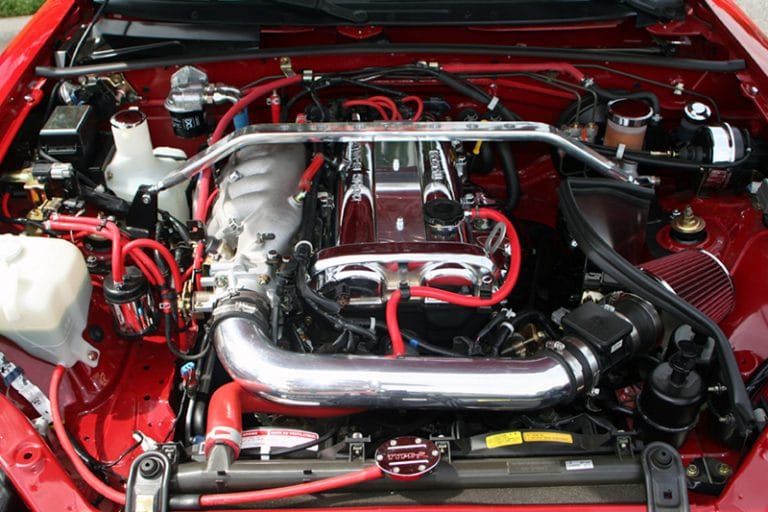
When your engine starts acting up, it’s more than just an inconvenience, it’s a signal that something needs attention before a small problem becomes a big one. Whether you’re hearing strange noises under the hood, noticing a drop in performance, or that dreaded check engine light has flickered on, getting professional engine repair is essential to keeping your vehicle safe and reliable.
At Bowers Automotive, we’ve been serving Colorado Springs drivers since 1990 with honest, professional auto repair at affordable prices. Our ASE certified technicians have the training and knowledge to properly diagnose and repair engine-related problems on all types of import and domestic cars, trucks, and SUVs. In this guide, we’ll walk you through everything you need to know about engine repair, from recognizing warning signs to choosing the right shop for the job.
Common Signs Your Engine Needs Professional Attention
Your engine is pretty good at telling you when something’s wrong, you just need to know what to listen and look for. Ignoring early warning signs often leads to more expensive repairs down the road, so pay attention to these red flags.
Unusual noises are often the first indicator of trouble. Knocking, pinging, or grinding sounds coming from under the hood typically point to issues with internal components like bearings, valves, or timing chains. Don’t brush these off as “normal old car sounds.”
Check engine light illumination is your vehicle’s direct way of saying something needs attention. This could be anything from spark plug issues and engine sensor problems to catalytic converter malfunctions. Our technicians use advanced diagnostic equipment to determine the exact cause, not just the symptoms.
Performance changes are another telltale sign. If you’re experiencing acceleration problems, engine backfires, rough idling, or a noticeable drop in fuel efficiency, your engine is struggling. These symptoms often indicate fuel injection issues, ignition problems, or sensor malfunctions.
Fluid leaks under your vehicle shouldn’t be ignored. Oil leaks can come from worn oil seals, valve cover gaskets, oil pan gaskets, or rear main seals, all services we handle regularly.
Excessive smoke or unusual exhaust colors also signal problems. Blue smoke often indicates burning oil, while white smoke can point to coolant leaks or head gasket issues.
Types of Engine Repairs and What They Involve
Engine repairs run the gamut from quick fixes to complete overhauls. Understanding what different repairs involve helps you make informed decisions about your vehicle’s care.
Some of the most common engine repairs we perform include:
- Oil seal and gasket repairs – Replacing valve cover gaskets, oil pan gaskets, and rear main seals to stop leaks and prevent oil loss
- Timing chain and gear replacement – Critical for engines with worn timing components that can cause poor performance or catastrophic damage if they fail
- Valve adjustments – Ensuring proper valve clearance for optimal engine performance and fuel efficiency
- Head gasket replacement – Addressing one of the more serious engine issues that can cause overheating and coolant/oil mixing
- Spark plug and ignition system service – Restoring proper combustion and eliminating misfires
- Complete engine overhaul or replacement – When internal damage is extensive, sometimes a full rebuild or engine replacement is the most cost-effective solution
Minor Repairs vs. Major Overhauls
Minor repairs typically involve external components or systems that don’t require opening up the engine block. Things like replacing sensors, fixing electrical issues, servicing the ignition system, or replacing gaskets and seals fall into this category. These repairs are usually completed within a day and are relatively affordable.
Major overhauls are a different story. When internal components like pistons, bearings, or cylinder walls are damaged, we’re talking about significant work. A complete engine overhaul involves disassembling the engine, inspecting all components, replacing worn parts, and reassembling everything to factory specifications. While more expensive upfront, a proper overhaul can extend your vehicle’s life by many years.
How Colorado Springs Driving Conditions Affect Your Engine
Living in Colorado Springs means your engine faces challenges that drivers in other parts of the country simply don’t deal with. Our unique environment and driving conditions put extra stress on vehicles in several ways.
Altitude matters. At over 6,000 feet elevation, the thinner air affects how your engine breathes and burns fuel. Modern fuel-injected vehicles compensate for this with sensors and computer adjustments, but older vehicles or those with sensor problems may struggle. You might notice reduced power, harder starting, or decreased fuel economy.
Temperature extremes are another factor. Colorado Springs sees everything from bitter cold winters to hot summer days. These swings cause engine components to expand and contract repeatedly, which accelerates wear on gaskets and seals. Cold starts in winter are particularly hard on engines, as oil is thicker and takes longer to circulate properly.
Mountain driving puts additional strain on your powertrain. Climbing grades heading toward the mountains or navigating Pikes Peak taxes your engine more than flat highway driving. This increased load generates more heat and accelerates wear on components.
Dust and debris from our semi-arid climate can clog air filters faster than in more humid regions, potentially affecting air-fuel mixture and engine performance.
These local conditions make regular maintenance and prompt repairs even more important for Colorado Springs drivers. We understand these challenges because we’ve been working on vehicles here since 1990.
What to Expect During the Engine Repair Process
We believe in keeping the repair process straightforward and transparent. Here’s what happens when you bring your vehicle to us for engine repair.
Initial consultation: One of our friendly technicians will talk through the problem and ask you a few questions about what you’ve been experiencing. When did it start? Is it constant or intermittent? Does it happen under specific conditions? This conversation gives us valuable clues about what’s going on.
Diagnostic testing: We use advanced diagnostic equipment to determine the exact cause of your engine problems, not just treat the symptoms. For check engine light issues, this means reading codes and performing further tests to identify the root problem. Depending on the symptoms, we may perform compression tests, leak-down tests, or visual inspections.
Detailed estimate: Once we’ve identified the issue, we’ll provide you with a clear explanation of what’s wrong and what it will take to fix it. We’ll give you an honest estimate before any work begins.
Repair work: Once we have your approval, we get started using high-quality replacement parts. While we work quickly and efficiently, our knowledgeable professionals take the time to get the job done right the first time.
Quality check: Before returning your vehicle, we verify the repair resolved the issue and your engine is running properly.
The goal is getting you back on the road quickly and safely, without surprises.
How to Choose the Right Engine Repair Shop
Not all repair shops are created equal, especially when it comes to something as critical as engine work. Here’s what to look for when choosing where to take your vehicle.
ASE certification matters. Technicians with ASE (Automotive Service Excellence) certification have demonstrated their knowledge and competence through rigorous testing. This certification means they’ve proven they understand modern vehicle systems and proper repair procedures.
Experience with your vehicle type is important. Some shops specialize in specific makes, while others, like ours, service all types of import and domestic vehicles. Make sure the shop has experience with your particular car, truck, or SUV.
Reputation and reviews tell you a lot. Look for shops with a history of satisfied customers and reliable workmanship. A shop that’s been in business for decades typically has earned that longevity through quality work.
Transparency in pricing separates good shops from questionable ones. You should receive a clear estimate before work begins, and the shop should explain what repairs are needed and why.
Range of services indicates a shop’s capabilities. A full-service auto repair center can handle not just your immediate engine problem but also related issues that might surface during diagnosis.
Warranty on repairs shows confidence in workmanship. Reputable shops stand behind their work.
At Bowers Automotive on Ford Street, we’ve built our reputation on delivering reliable workmanship, friendly service, and competitive pricing since 1990. Our ASE certified technicians service all makes and models with the care your vehicle deserves.
Preventive Maintenance Tips to Avoid Costly Engine Repairs
The best engine repair is the one you never need. Regular preventive maintenance goes a long way toward keeping your engine healthy and avoiding expensive surprises.
Follow your manufacturer’s maintenance schedule. Those 30/60/90K mileage maintenance intervals exist for a reason. They’re designed around when components typically need attention. We perform all factory scheduled maintenance services according to your specific vehicle manufacturer’s recommendations.
Keep up with oil changes. This is the single most important thing you can do for your engine. Fresh oil lubricates moving parts, reduces friction, and helps carry away heat and contaminants. Don’t stretch oil change intervals beyond what’s recommended.
Replace spark plugs on schedule. Worn spark plugs cause misfires, reduce fuel efficiency, and put extra strain on ignition components. Fresh plugs keep combustion efficient.
Don’t ignore warning signs. That small leak or occasional noise won’t fix itself. Addressing minor issues early prevents them from becoming major repairs.
Pay attention to your cooling system. Overheating destroys engines. Make sure coolant levels are proper and the system is serviced regularly.
Replace air and fuel filters. Clogged filters restrict airflow and fuel delivery, forcing your engine to work harder.
Listen to your check engine light. It’s easy to ignore when your car seems to run fine, but that light indicates something needs attention. Get it diagnosed promptly.
Investing in regular maintenance is far cheaper than paying for major engine repairs, or worse, replacing an engine entirely.
Conclusion
Your engine is the heart of your vehicle, and keeping it in top condition requires attention, expertise, and quality workmanship. Whether you’re dealing with a minor issue or facing a major repair, choosing the right shop makes all the difference.
If you’re experiencing engine problems or just want to stay ahead with preventive maintenance, bring your car, truck, or SUV to Bowers Automotive in Colorado Springs. Our ASE certified technicians are ready to diagnose and repair whatever’s keeping you off the road. Stop by our shop on Ford Street or make an appointment today.
