There’s nothing quite like that moment when you press your brake pedal and something feels… off. Maybe it’s a grinding noise that wasn’t there yesterday. Maybe the pedal feels spongy, or your car pulls to one side when you stop. Whatever the warning sign, brake problems demand immediate attention, especially when you’re navigating Colorado Springs’ steep grades and unpredictable mountain weather.
At Bowers Automotive, we’ve been helping Colorado Springs drivers stay safe since 1990. Our ASE certified technicians understand that your brakes aren’t just another car part, they’re your primary safety system. Whether you drive a compact car, a family SUV, or a heavy-duty truck, we’re here to diagnose, repair, and maintain your brake system with the care and expertise it deserves.
Warning Signs Your Brakes Need Immediate Attention
Your vehicle actually communicates brake problems pretty clearly, if you know what to listen and feel for. Ignoring these warning signs can turn a simple brake pad replacement into a costly full system repair.
Squealing or grinding noises are often the first indicators. Most brake pads include a small metal indicator that creates a high-pitched squeal when pads wear thin. If you’re hearing grinding, metal-on-metal contact, you’ve already gone too far. This damages your rotors and increases repair costs significantly.
A soft or spongy brake pedal usually indicates air in the brake lines or a problem with the master brake cylinder. If you have to push the pedal nearly to the floor to stop, get your vehicle inspected immediately.
Watch for pulling to one side when braking. This often means uneven brake pad wear, a stuck caliper, or issues with your brake hoses. Your brake warning light on the dashboard is another obvious signal, don’t ignore it hoping it’ll go away.
Vibration or pulsing through the brake pedal typically points to warped rotors, which is common after heavy braking on steep descents. Colorado Springs drivers know our area’s terrain puts extra stress on brake systems.
Common Brake Problems Colorado Springs Drivers Face
Living in Colorado Springs means your brakes work harder than in most places. The elevation changes, mountain driving, and seasonal temperature swings create unique challenges for local drivers.
Accelerated brake pad wear tops our list. Descending steep grades on I-25 or navigating Ute Pass requires more frequent braking, which wears pads faster than typical highway driving. We see many customers who moved here from flat-terrain states surprised at how quickly their brakes wear down.
Warped rotors are another common issue. When you brake repeatedly on long downhill stretches, the rotors get extremely hot. If you then hit a puddle or drive through standing water, the rapid cooling can cause warping. This creates that pulsing sensation you feel through the pedal.
Brake fluid contamination happens more frequently in areas with significant temperature fluctuations. Moisture can enter the brake system over time, lowering the fluid’s boiling point and reducing braking effectiveness, particularly dangerous during mountain descents where brakes heat up quickly.
We also frequently repair ABS (anti-lock brake system) issues. Colorado’s winter conditions mean your ABS works overtime, and sensor problems or control module failures are common. At Bowers Automotive, we repair ABS brakes on all types of import and domestic cars, trucks, and SUVs.
What to Expect During a Professional Brake Inspection
When you bring your vehicle to us for a brake inspection, we perform a comprehensive evaluation, not just a quick glance at your pads. Here’s what our process includes:
First, we measure brake pad and shoe thickness precisely. Most pads start at about 12mm thick: we recommend replacement when they reach 3-4mm. We check all four wheels because wear patterns vary depending on your driving habits and vehicle type.
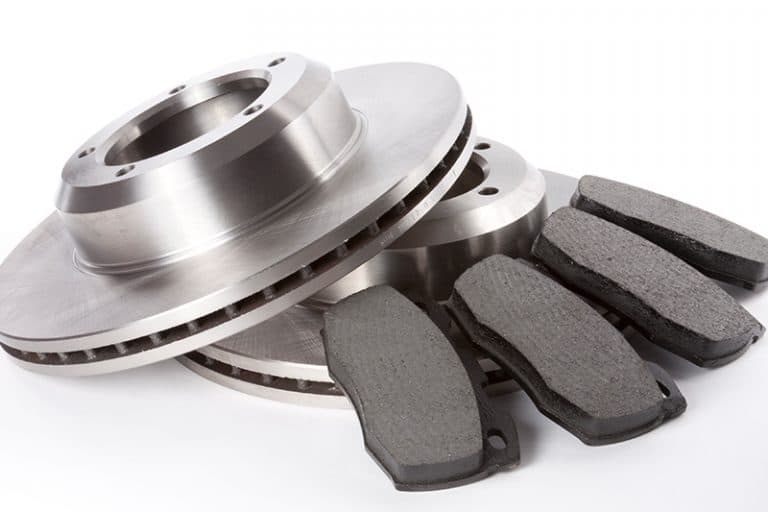
We thoroughly inspect rotors and drums for wear, scoring, and warping. Using precision measuring tools, we determine whether your rotors can be machined or need replacement. Sometimes rotor and drum machining can extend their life: other times, replacement is the more cost-effective option.
Our technicians examine brake hoses and lines for cracks, bulges, or leaks. We check the master brake cylinder for proper operation and look for any signs of fluid leaks throughout the system.
Brake fluid testing is crucial. We test fluid condition and moisture content, recommending a brake fluid flush when contamination levels affect performance. We also inspect caliper condition, hardware, and parking brake operation.
After the inspection, we explain our findings clearly, showing you exactly what we found and discussing your options. No pressure, no upselling, just honest information so you can make informed decisions.
Brake Pad Replacement vs. Full Brake System Repair
Not all brake repairs are created equal. Understanding the difference between simple maintenance and more extensive repairs helps you budget appropriately and avoid surprises.
Brake pad replacement is routine maintenance. Pads are wear items designed to be replaced periodically. This straightforward service typically includes removing wheels, replacing worn pads, inspecting rotors, and reassembling components. If your rotors are in good condition, this is often all you’ll need.
Full brake system repair becomes necessary when problems extend beyond worn pads. This might include:
- Rotor or drum replacement or machining
- Caliper repair or replacement
- Brake hose replacement
- Master brake cylinder repair
- Brake system bleeding to remove air from lines
- Complete brake fluid flush
The key is catching issues early. When you drive on worn pads until they’re “metal-on-metal,” you damage rotors that might otherwise have lasted much longer. This only increases the cost to have your brakes replaced.
At Bowers Automotive, we always provide options. Sometimes machining your current rotors makes sense: sometimes replacement is more economical long-term. We’ll give you the information to decide what works best for your vehicle and budget.
How Often Should You Service Your Brakes in Colorado?
The standard recommendation is to inspect brakes every 12,000-15,000 miles, but Colorado Springs drivers often need more frequent attention. Several factors influence your brake service schedule:
Driving habits matter most. If you frequently drive in mountain terrain, tow trailers, or navigate heavy stop-and-go traffic, expect more frequent brake service. City driving wears brakes faster than highway cruising.
Vehicle type plays a role. Heavier vehicles like trucks and SUVs put more stress on brake systems. If you’re hauling equipment or regularly carrying heavy loads, plan on more frequent inspections.
Climate conditions in Colorado create additional wear. Salt and sand used on winter roads can accelerate corrosion of brake components. The dramatic temperature swings, from freezing mountain mornings to hot afternoon pavement, stress the system.
For most Colorado Springs drivers, we recommend:
- Brake inspection every 10,000-12,000 miles
- Brake fluid testing annually
- Complete brake fluid flush every 2-3 years
- Immediate inspection at the first sign of any warning symptoms
It’s important for you to have your brakes checked out at the first sign of a braking problem. Small issues caught early stay small, and affordable.
Choosing the Right Brake Repair Shop in Colorado Springs
Not all repair shops are equal when it comes to brake work. Here’s what to look for when choosing where to service your vehicle’s most critical safety system:
Certified technicians should be non-negotiable. ASE certification demonstrates technicians have passed rigorous testing and maintain their skills through continuing education. At Bowers Automotive, all our technicians are ASE certified and trained to work on import and domestic vehicles.
Experience with your vehicle type matters. Brake systems vary between cars, trucks, and SUVs, and between manufacturers. Look for a shop with broad experience across different makes and models.
Transparent pricing and communication separates good shops from great ones. You should receive a clear explanation of what’s wrong, what needs fixing, and what it’ll cost before any work begins. Ask about warranties on parts and labor.
Local reputation speaks volumes. We’ve served Colorado Springs since 1990, building our reputation on honest, professional auto repair at affordable prices. Our goal is straightforward: treat every vehicle with care and deliver workmanship you can trust.
When you bring your car, truck, or SUV to Bowers Automotive on Ford Street, you get the expertise of technicians who understand our local driving conditions. We use the latest diagnostic technology, high-quality replacement parts, and stand behind our work.
Conclusion
Your brakes are too important to neglect or leave to chance. Whether you’re dealing with squealing pads, a warning light, or just due for routine maintenance, getting expert brake repair in Colorado Springs keeps you and your family safe on our challenging roads.
Don’t let brake problems go until they become expensive repairs. If you’re experiencing any issues with your braking system, make an appointment or just stop by the Bowers Automotive shop. We guarantee all of our work, and we know you’ll be happy with the outcome.
