
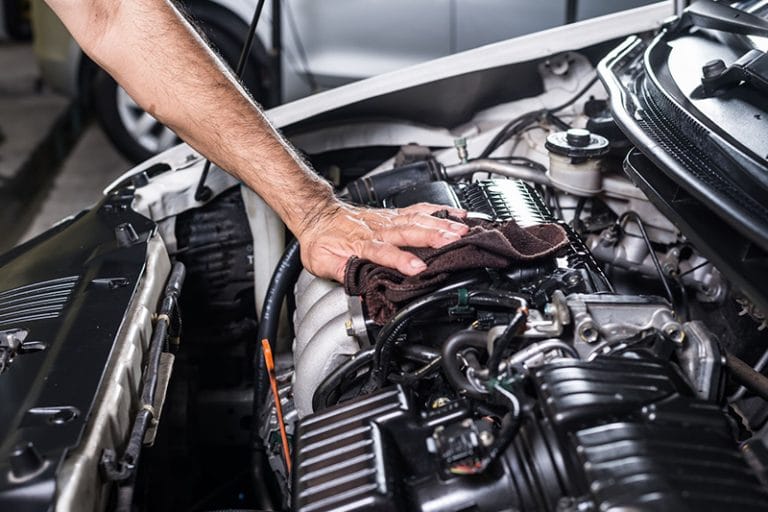
Your engine is the heart of your vehicle. When something goes wrong, you feel it right away. Maybe it’s a rough idle, a strange noise, or that dreaded check engine light staring back at you from the dashboard. Whatever the symptom, engine problems aren’t something you want to ignore.
At Bowers Automotive in Colorado Springs, we’ve seen just about every engine issue you can imagine. Our ASE-certified technicians work on import and domestic cars, trucks, and SUVs every day, and we know how important it is to get your vehicle back on the road quickly and safely. Whether you’re dealing with a minor repair or need a complete engine overhaul, understanding what’s happening under the hood can help you make better decisions about your vehicle’s care.
Let’s walk through the signs that indicate your engine needs attention, the types of repairs we handle, and what you can expect when you bring your vehicle in for service.
Key Takeaways
- Early engine repair can save you significant money—watch for warning lights, unusual sounds, performance issues, and fluid leaks.
- Colorado Springs’ high altitude (6,035 feet) reduces engine power by about 18%, making proper maintenance and sensor calibration especially important.
- Engine repair services range from minor fixes like spark plug replacement to major overhauls, with options including new, remanufactured, or used engines.
- Regular oil changes every 3,000–5,000 miles (or 7,500–10,000 for synthetic) are the most effective way to prevent engine damage.
- Choose an ASE-certified shop for engine repair that offers transparent pricing, warranties, and experience with your vehicle type.
- Never ignore the check engine light—early diagnosis typically leads to simpler, less expensive repairs.
Common Signs Your Engine Needs Repair
Catching engine problems early can save you a lot of money and headaches down the road. Here are the warning signs you shouldn’t ignore.
Warning Lights and Unusual Sounds
That check engine light exists for a reason. While it sometimes signals something minor like a loose gas cap, it can also indicate serious issues with your spark plugs, oxygen sensors, or catalytic converter. The key is to get it diagnosed promptly rather than hoping it goes away on its own.
Sound matters too. A healthy engine has a consistent, smooth idle. If yours is revving unevenly, knocking, or making grinding noises, something is off. Knocking sounds often point to problems with the combustion process, while grinding might indicate worn bearings or other internal components.
Pay attention to exhaust smoke as well. Black smoke typically means the engine is burning too much fuel, while white smoke could signal a coolant leak into the combustion chamber. Blue smoke? That’s usually oil burning where it shouldn’t be.
Performance Issues and Fluid Leaks
Has your vehicle lost power going up hills? Does it hesitate when you accelerate? Engine performance issues are your car’s way of telling you something needs attention. Problems like these can stem from fuel injection issues, ignition problems, or internal engine wear.
Fluid leaks are another red flag. Oil spots in your driveway or a coolant puddle under your car shouldn’t be dismissed. Oil leaks can lead to engine seizure if levels drop too low, and coolant leaks can cause overheating that warps cylinder heads or cracks engine blocks.
Other symptoms to watch for include:
- Engine stalling or refusing to start
- Burning smell coming from under the hood
- Rough or uneven idle
- Backfiring during acceleration
- Decreased fuel efficiency
If you notice any combination of these issues, it’s time to have your engine inspected by a qualified technician.
Types of Engine Repair Services
Engine repair isn’t one-size-fits-all. The work required depends entirely on what’s wrong and how far the problem has progressed.
Minor Repairs and Maintenance
Many engine issues fall into the minor category, which is great news for your wallet. These repairs address specific problems without requiring major disassembly of the engine.
Common minor engine repair services include:
- Oil seal and gasket repairs – Valve cover gaskets, oil pan gaskets, and rear main seals wear out over time and cause leaks
- Head gasket replacement – A blown head gasket can cause overheating and coolant/oil mixing
- Spark plug replacement – Worn plugs affect combustion efficiency and fuel economy
- Timing chain and gear service – Keeps valves opening and closing at the right moments
- Valve adjustments – Restores proper valve clearance for better performance
- Electrical diagnosis and repair – Addresses sensor problems, ignition issues, and computer-related faults
Regular maintenance like oil changes (every 3,000-5,000 miles depending on your vehicle and oil type) prevents many engine problems from developing in the first place.
Major Engine Overhauls and Rebuilds
When engine damage is extensive, a more comprehensive approach is needed. Major engine work includes complete overhauls, block repairs, and cylinder head reconditioning. In some cases, the most practical solution is replacing the engine entirely.
A complete engine overhaul involves disassembling the entire engine, inspecting every component, and replacing worn parts. This can restore an engine to like-new condition and extend its life significantly.
Engine replacement options include:
- New engines – Direct from the manufacturer, often the most expensive option
- Remanufactured engines – Rebuilt to factory specifications with new components
- Used engines – Salvaged engines that can be a cost-effective solution for older vehicles
At Bowers Automotive, we work with you to determine the best approach based on your vehicle’s age, condition, and your budget. Sometimes a repair makes sense: other times, replacement is the smarter investment.
How Altitude Affects Engine Performance in Colorado Springs
Living in Colorado Springs means your engine deals with conditions that vehicles in lower elevations simply don’t face. At roughly 6,035 feet above sea level, the air here is noticeably thinner than at sea level.
Why does this matter? Internal combustion engines need air (specifically oxygen) to burn fuel. The higher you go, the less dense the air becomes. As a general rule, engines lose about 3% of their power for every 1,000 feet of elevation gain. That means a vehicle making 200 horsepower at sea level might only produce around 165 horsepower here in Colorado Springs.
Modern fuel-injected vehicles compensate for this automatically. Sensors measure air density and adjust the fuel mixture accordingly. But older carbureted vehicles or those with malfunctioning sensors may run rich (too much fuel) or experience poor performance at altitude.
If you’ve moved to Colorado Springs from a lower elevation, or if you’ve noticed your vehicle struggling more than it used to, altitude-related tuning could be the culprit. Things like recalibrating sensors, checking the oxygen sensor function, and ensuring the fuel injection system is working properly can make a real difference.
And if you ever head up to Pikes Peak (14,115 feet), the effect becomes even more pronounced. Your engine is working significantly harder at those elevations, which is why proper maintenance and engine health are especially important for Colorado Springs drivers.
What to Expect During an Engine Repair Appointment
Walking into an auto shop when you’re worried about your engine can be stressful. Knowing what to expect helps.
When you bring your vehicle to us for engine repair, the process typically starts with diagnostics. We’ll connect to your vehicle’s computer system to read any stored fault codes, then perform a visual inspection and test drive if necessary. This helps us pinpoint exactly what’s causing the problem rather than guessing or replacing parts unnecessarily.
Once we’ve identified the issue, you’ll receive a detailed estimate that breaks down the cost of parts and labor. We explain what’s wrong, what needs to be fixed, and why. No surprises, no pressure.
The timeline for engine repair varies quite a bit depending on what’s needed. A spark plug replacement might take an hour or two, while a head gasket repair could require a full day or more. Major engine overhauls or replacements may take several days, especially if parts need to be ordered.
Here’s what you can expect from a professional engine repair experience:
- Clear communication throughout the process
- Honest assessment of whether repair or replacement makes more sense
- Quality parts that meet or exceed manufacturer specifications
- Warranty coverage on completed work (many shops offer 3-year/36,000-mile warranties)
- Fair pricing without hidden fees
We understand that being without your vehicle is inconvenient. That’s why we work efficiently to get your car, truck, or SUV back to you as quickly as possible without cutting corners on quality.
Choosing a Reliable Engine Repair Shop
Not all auto repair shops are created equal, and engine work is not something you want to trust to just anyone. Here’s what to look for when choosing a shop for engine repair in Colorado Springs.
ASE Certification – The National Institute for Automotive Service Excellence (ASE) tests and certifies technicians. An ASE-certified shop has proven their technicians understand how engines work and how to repair them properly. At Bowers Automotive, our technicians hold ASE certifications and regularly update their training.
Experience with Your Vehicle Type – Some shops specialize in specific makes or only work on domestic vehicles. If you drive an import, make sure the shop has experience with your brand. We work on both import and domestic vehicles, including cars, trucks, and SUVs.
Warranty on Repairs – A shop that stands behind their work will offer a warranty. Look for coverage in the range of 2-3 years or 24,000-36,000 miles. If a shop won’t guarantee their repairs, that’s a red flag.
Transparent Pricing – You should receive a written estimate before work begins and be notified if anything changes. Reputable shops don’t surprise you with unexpected charges after the fact.
Customer Reviews – What are other Colorado Springs drivers saying? Online reviews can give you a sense of how a shop treats its customers and the quality of their work.
Honest Diagnostics – A good shop will tell you what actually needs to be fixed, not try to sell you services you don’t need. If a shop is pushing major repairs without clear evidence of the problem, get a second opinion.
How to Maintain Your Engine Between Repairs
The best engine repair is the one you never need. While some problems are unavoidable, proper maintenance significantly reduces the likelihood of major engine failures.
Stay on top of oil changes. This is the single most important thing you can do for your engine. Oil lubricates moving parts, reduces friction, and carries away contaminants. When oil breaks down or runs low, engine wear accelerates dramatically. Check your owner’s manual for recommended intervals, but 3,000-5,000 miles is typical for conventional oil, while synthetic can often go 7,500-10,000 miles.
Check fluid levels regularly. Beyond oil, keep an eye on coolant levels. Coolant prevents overheating and protects against freezing. Low coolant can lead to catastrophic engine damage.
Don’t ignore the check engine light. We’ve said it before, but it bears repeating. That light comes on for a reason. Early diagnosis often means cheaper repairs.
Listen to your vehicle. You know how your car normally sounds and feels. If something changes, pay attention. Catching problems early almost always results in simpler, less expensive repairs.
Follow your factory maintenance schedule. Your vehicle’s manufacturer designed a maintenance schedule for a reason. Those 30,000, 60,000, and 90,000-mile services address components that wear over time. Skipping them might save money in the short term but often leads to bigger problems down the road.
Address small issues promptly. A small oil leak today becomes a seized engine tomorrow if ignored. A rough idle might signal a failing spark plug that’s easy to replace, or it could be the first sign of something more serious. Either way, you’re better off knowing.
Conclusion
Engine problems can feel overwhelming, but they don’t have to be. Whether you’re dealing with a check engine light, unusual noises, performance issues, or a major breakdown, getting the right diagnosis and repair makes all the difference.
At Bowers Automotive in Colorado Springs, we’ve built our reputation on honest diagnostics, quality workmanship, and treating our customers the way we’d want to be treated. Our ASE-certified technicians have the training and experience to handle engine repair on all makes and models, from routine maintenance to complete engine overhauls.
If your vehicle is showing signs of engine trouble, don’t wait until a minor issue becomes a major expense. Give us a call or stop by our shop. We’ll take a look, explain what we find, and help you make the best decision for your vehicle and your budget. That’s the kind of service Colorado Springs drivers deserve.
Frequently Asked Questions About Engine Repair
What are the most common signs my engine needs repair?
Common warning signs include the check engine light, unusual noises like knocking or grinding, rough or uneven idle, exhaust smoke, loss of power, fluid leaks, engine stalling, and decreased fuel efficiency. If you notice any combination of these symptoms, have your engine inspected by a qualified technician promptly.
How does altitude affect engine performance in Colorado Springs?
At Colorado Springs’ elevation of 6,035 feet, the thinner air contains less oxygen for combustion. Engines typically lose about 3% power per 1,000 feet of elevation gain. Modern fuel-injected vehicles compensate automatically, but older or malfunctioning vehicles may need sensor recalibration or fuel system adjustments.
How much does engine repair typically cost?
Engine repair costs vary significantly based on the issue. Minor repairs like spark plug replacement or gasket fixes are relatively affordable, while major overhauls or engine replacements can cost several thousand dollars. A reputable shop will provide a detailed estimate after proper diagnostics before any work begins.
What’s the difference between an engine rebuild and engine replacement?
An engine rebuild involves disassembling your existing engine, inspecting all components, and replacing worn parts to restore like-new condition. Engine replacement means installing a new, remanufactured, or used engine entirely. The best option depends on your vehicle’s age, condition, and budget.
How often should I change my oil to prevent engine problems?
For conventional oil, change every 3,000-5,000 miles; synthetic oil can typically last 7,500-10,000 miles. Regular oil changes are the most important maintenance for preventing engine damage, as oil lubricates moving parts, reduces friction, and removes contaminants.
What should I look for when choosing an engine repair shop?
Look for ASE-certified technicians, experience with your vehicle type, repair warranties (2-3 years or 24,000-36,000 miles), transparent pricing with written estimates, positive customer reviews, and honest diagnostics. A reputable shop explains problems clearly without pushing unnecessary services.
